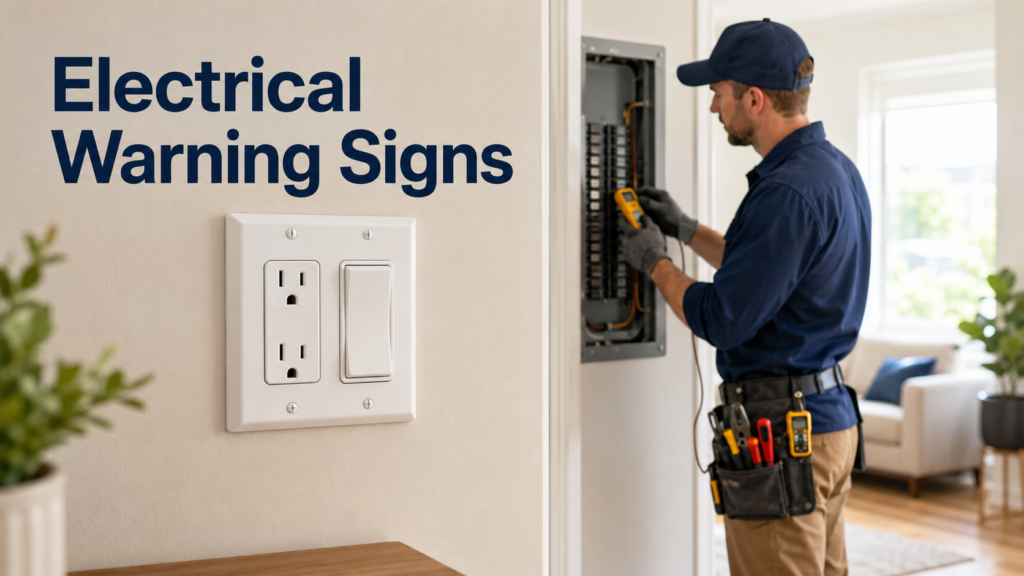
Home Electrical Warning Signs You Should Never Ignore
A home’s electrical system usually works quietly in the background. When warning signs appear, however, they should not be ignored. Electrical problems can create shock and fire hazards, and many are not appropriate do-it-yourself projects.
Homeowners can still play an important role by recognizing visible warning signs, avoiding unsafe conditions, and knowing when to contact a licensed electrician.
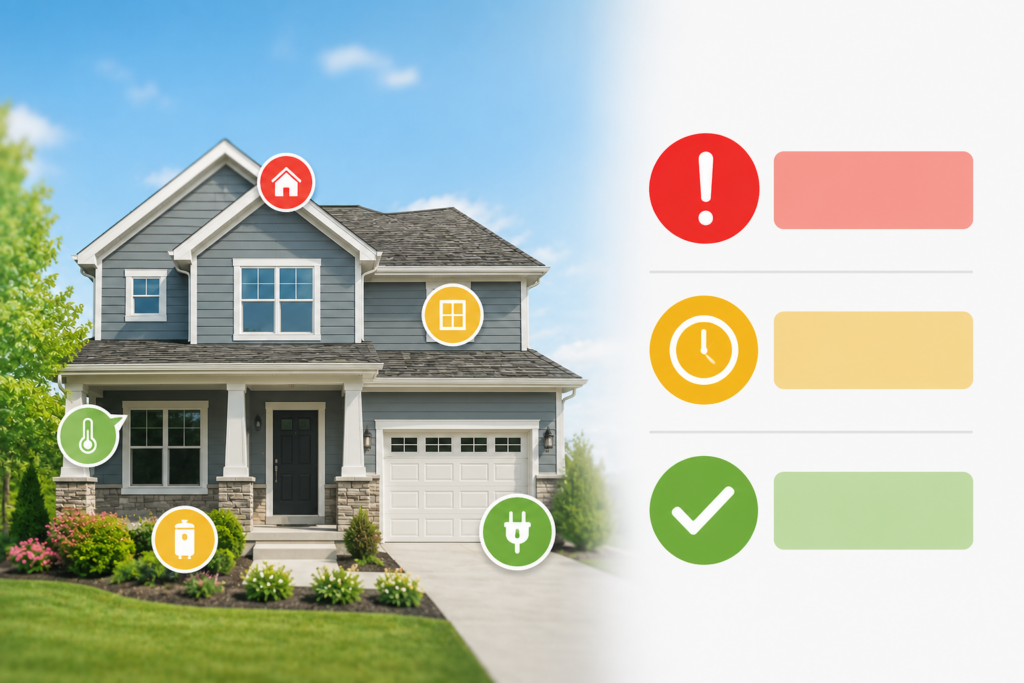
Understanding a home involves more than looking at a single online estimate. Its age, condition, major improvements, and online values all contribute to the complete picture.
That is why three free tools are now connected as The Home Optimizer System—a coordinated system that helps homeowners and real estate professionals better understand a property’s age, condition, and online value.
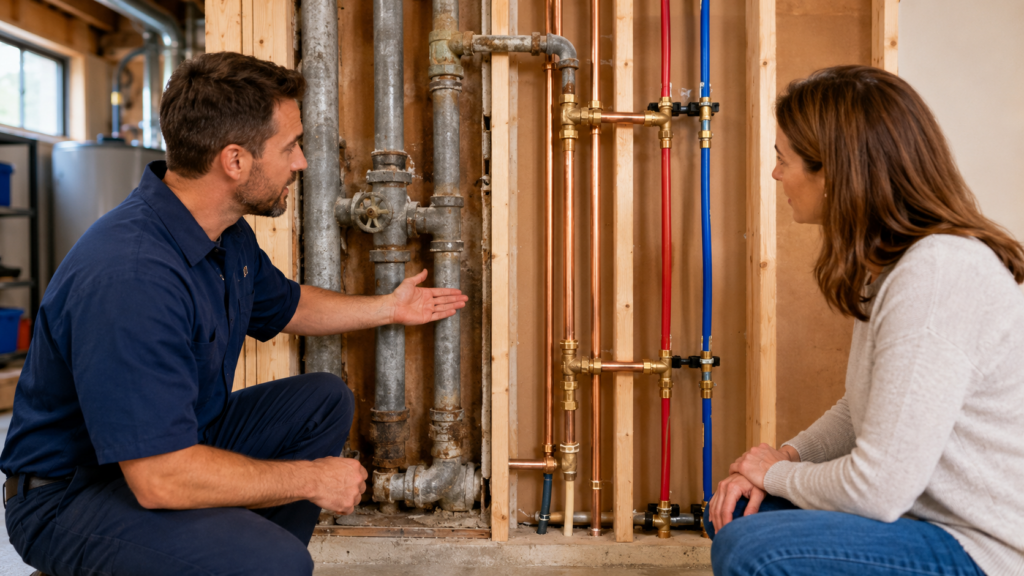
How Can a Homeowner Know When It’s Time to Replace the Plumbing?
Most plumbing does not need to be replaced simply because a home is old. The decision should be based on the pipe material, its condition, water quality, and evidence of recurring problems.
Exterior paint does more than improve a home’s appearance. It also helps protect siding, trim and other exterior surfaces from sun, moisture and changing weather conditions. When paint begins to deteriorate, delaying maintenance can allow relatively minor problems to become more expensive repairs.
Here’s How to Tell Before It Becomes an Expensive Problem
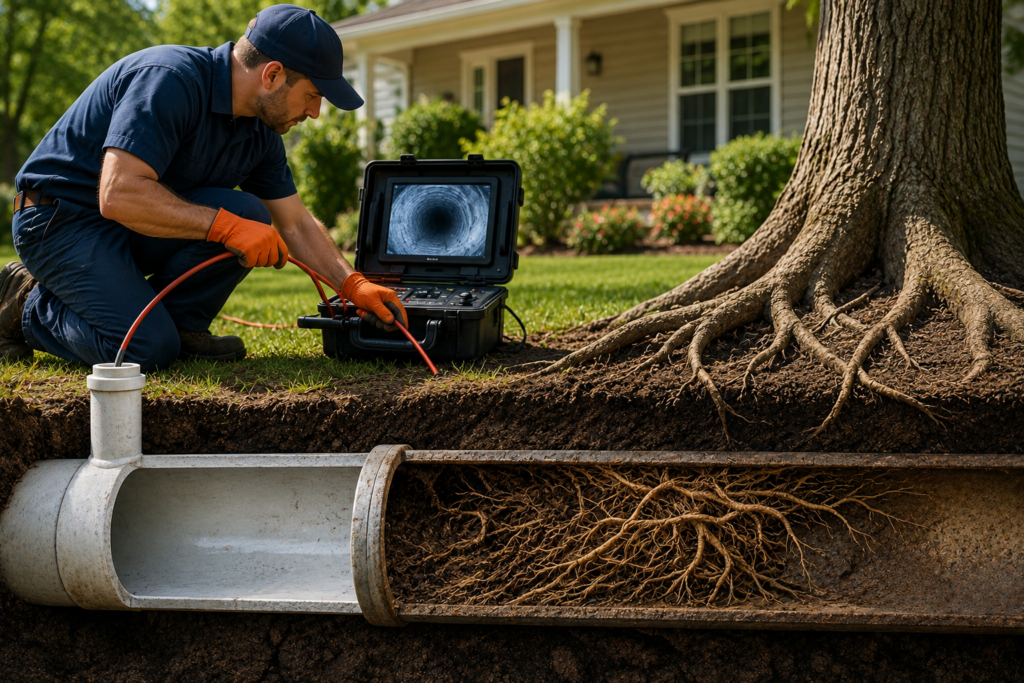
A hidden sewer line problem can quickly turn into one of the most expensive surprises a homeowner faces. Tree roots naturally seek moisture and can enter tiny cracks or loose joints in underground drain pipes. Once inside, they continue growing, eventually restricting or completely blocking wastewater flow.
The good news is that many root-related problems provide warning signs long before a complete backup occurs.
The American Dream Comes With a Maintenance Schedule
The Fourth of July is a time to celebrate independence, family, community, and for many Americans, homeownership itself.
Owning a home has long been part of the American Dream. It provides stability, pride, and a place to build memories. But unlike many investments, a home requires ongoing attention to protect its value and functionality.
Simply put:
The American Dream comes with a maintenance schedule.
The $10,000 Rule: Why Paint, Floors, and Landscaping Often Beat Major Renovations
Many homeowners assume that increasing home value requires expensive kitchen remodels, luxury bathrooms, or major additions. While those projects certainly have their place, years of appraisal experience often point to a different conclusion:
Paint, flooring, cleanup, and landscaping frequently provide some of the highest returns on investment in residential real estate.
Why?
Because buyers don’t purchase homes based solely on square footage or features. They purchase homes based on how a property makes them feel.
First Impressions Matter
Buyers often begin forming opinions before they even step through the front door.
A freshly mowed lawn, trimmed landscaping, fresh mulch, clean walkways, and an inviting entrance immediately suggest that a home has been well maintained. That positive impression often carries through the entire showing.
Conversely, overgrown landscaping, peeling paint, or worn flooring can create concerns about maintenance, even when the major systems are in good condition.
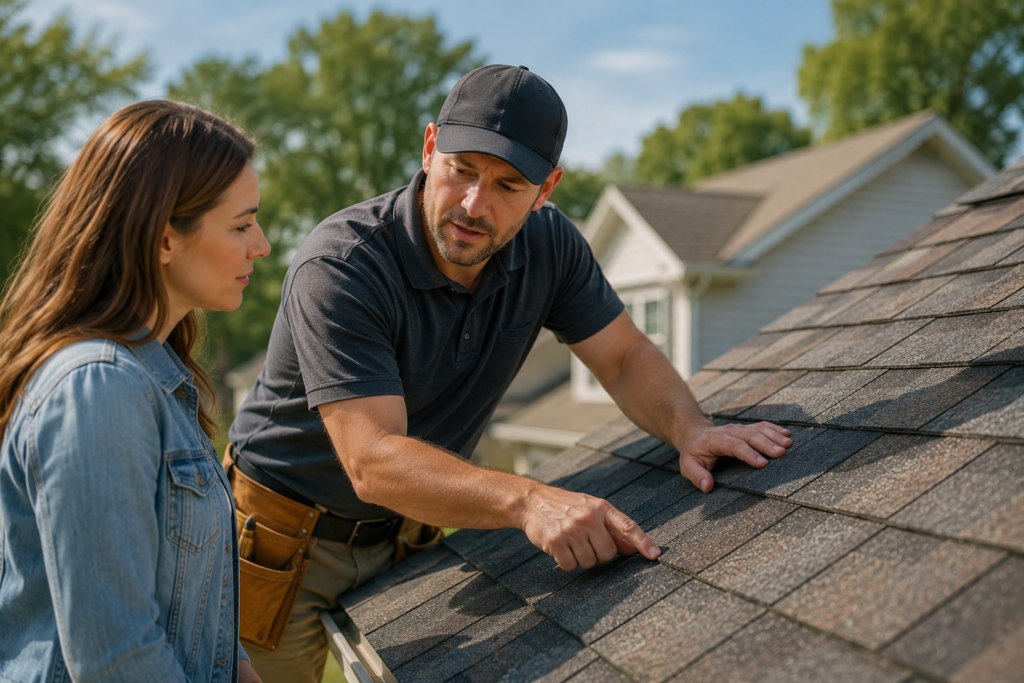
Your roof is one of the most important parts of your home. A quality roof protects your family, improves energy efficiency, and helps maintain property value. Unfortunately, choosing the wrong contractor can lead to poor workmanship, leaks, and expensive repairs.
Here are several things homeowners should consider before hiring a roofing contractor:
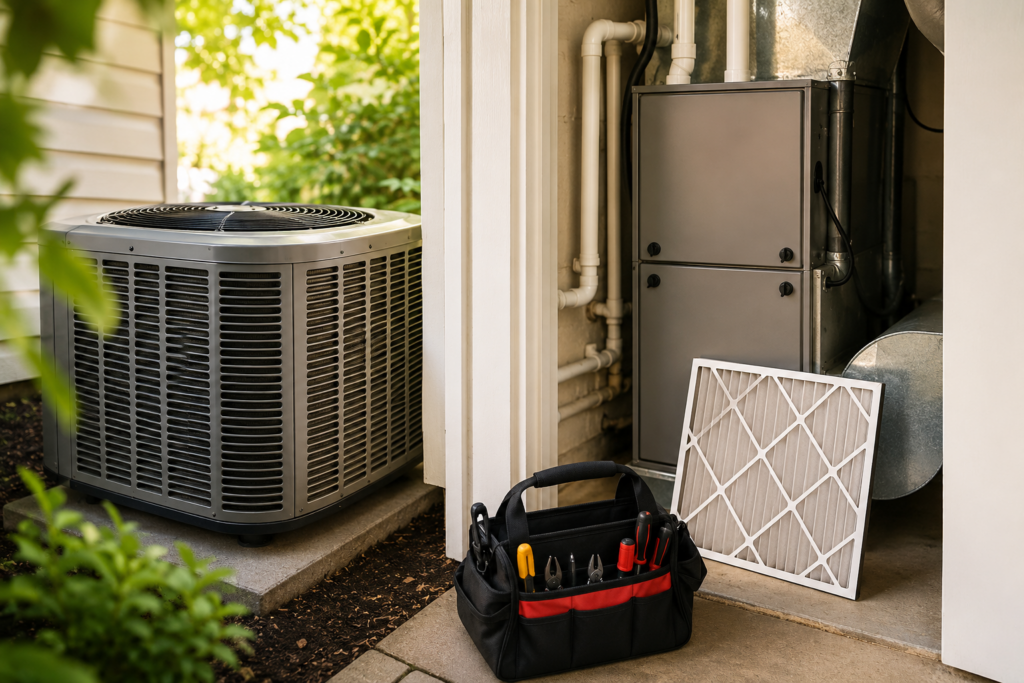
HVAC Maintenance: What Homeowners Can Do and What the Pros Should Handle
Your heating and cooling system is one of the most expensive and important systems in your home. A little maintenance can improve comfort, lower energy bills, reduce breakdowns, and help your equipment last longer.
HVAC Maintenance Homeowners Can Do
Most homeowners can safely handle these simple tasks: